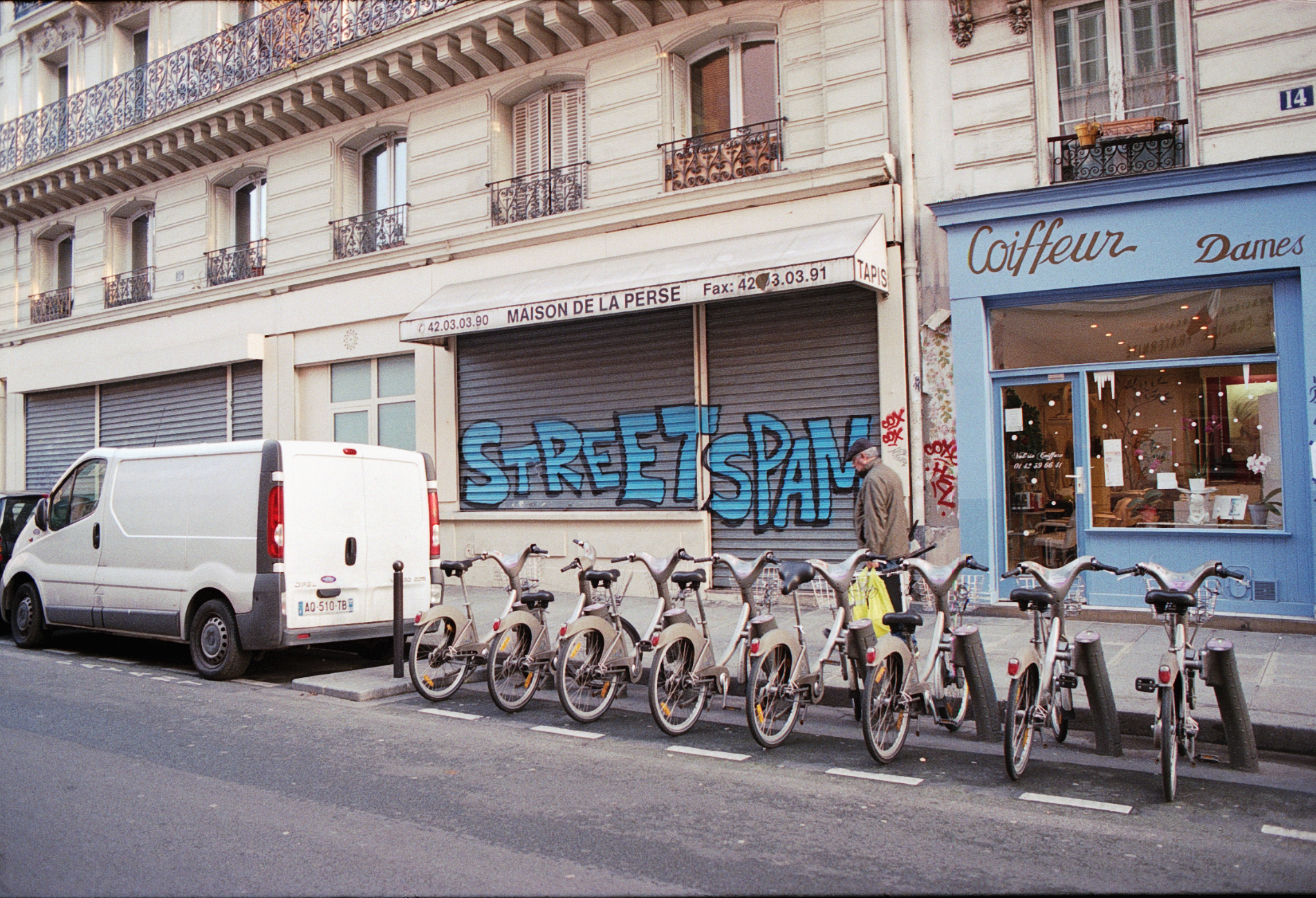
Street Spam: Graffiti is Unsolicited Branding
We need to call it what it is: a writer’s primary activity is not art - it is unsolicited branding. An uncomissioned advertising. The public didn't ask for your message. They didn't sign up for your mailing list. Yet, we bomb their commute, their infrastructure, and their landscape with our personal logo. The act is one of forcing your personal brand upon the collective, driven by the psychological reward of visibility. The moment you achieve saturation, you feel an immense hit of adrenaline and power. You are temporarily omnipresent.
Reputation over Skill
Whether you enter graffiti with competitive intentions or not, you eventually realize the truth: this is a competitive sport. In this game, reputation functions like experience points in an RPG - You are building a name's reputation. And I've observed that in the graffiti world, people often consider more your reputation than your style or accomplishments. Reputation encompasses everything - your style contributes to it, but so does your character and attitude.
Is this writer loyal? A snitch? Someone who goes over other people's work? Someone who steals or betrays friends? Is this writer helpful, supportive of the culture, trustworthy? When graffiti writers discuss someone, they immediately attach labels based on reputation.
The reputation you build becomes inseparable from the name.
The Paradox of the Name and the Delusion of Immortality
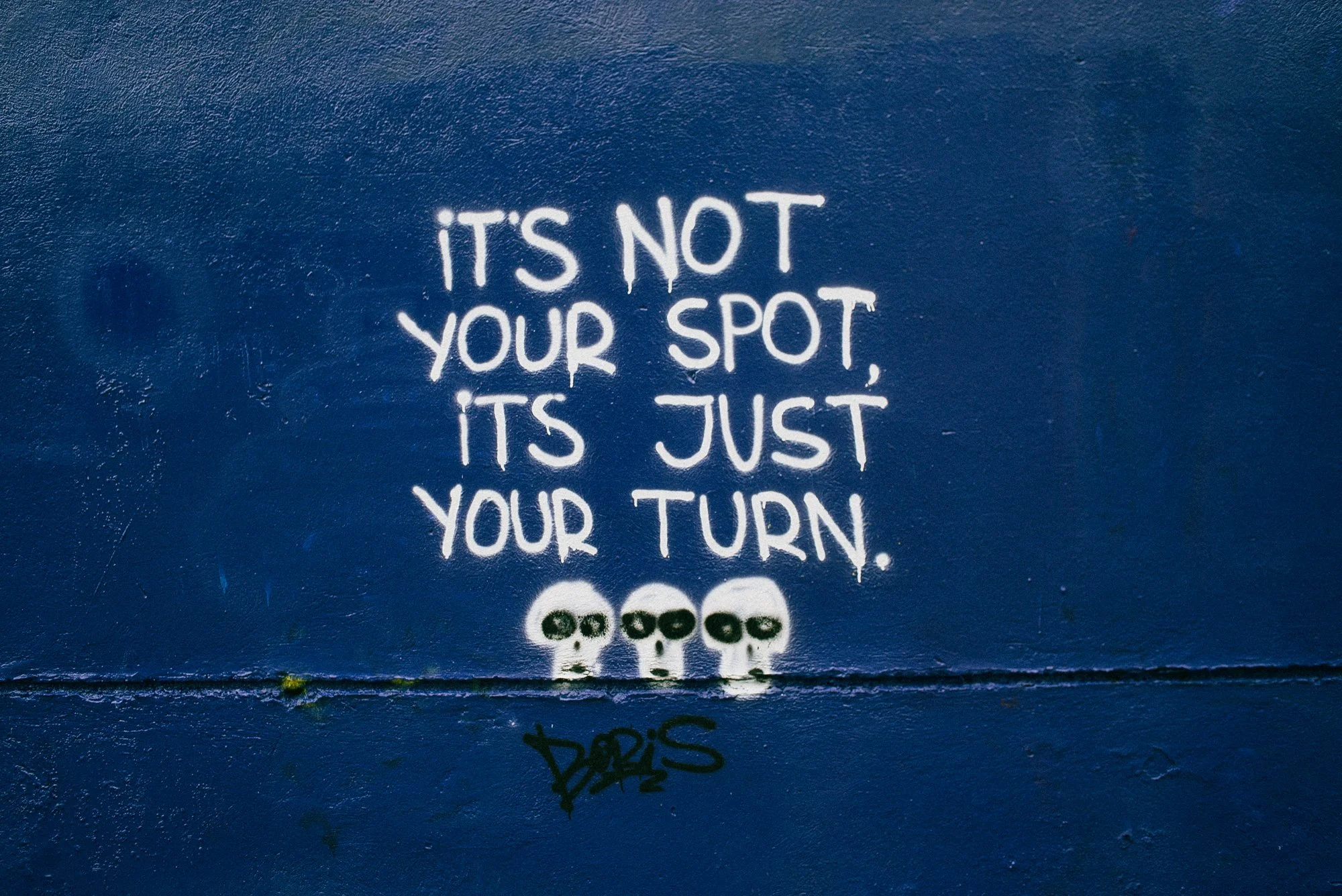
One of the psychological fuel for the graffiti game is the pursuit of immortality. Writers believe that by tagging their name in concrete and steel, they are defying death and ensuring their legacy. This is a powerful, yet ultimately fragile, illusion.
The name is a paradox: it is the vehicle for destructive behaviour, but also the catalyst for profound human connection.
The Roots vs. The Fruit
The roots of the game might look often ugly to an outsider: destructive intent, rebellion, and a misplaced desire to be against to the system. But the fruit can be beautiful - it gives you long lasting friendship and companionship, community, travel, and an open-minded perspective.
The name is what facilitates the tribe, but the tribe can distract you from the true meaning of your actions.
When a Tag Becomes a Memory
To understand the real meaning of a tag, one must look beyond the writer's ego. Because graffiti does provides the sense of immortality. When you paint, you believe or hope that something will remain after you're gone. You invest paint, time, effort, creating pieces with the intention they'll outlast you.
I experienced the power of permanence in a profound way while working with a French director in Paris on a documentary. We interviewed a mother whose son had died young in an accident - a devastating story. But what struck me most powerfully was when she held her son's sketches and said, "Now when I walk the city and see his tags, I see a memory. I'm so happy some of them remain."
For her, graffiti's meaning transformed completely.
For me too. I joke with people sometimes: "Yeah, when you see my name somewhere in the middle of nowhere, remember me. When I'm dead, it's there for you to remember." It's simultaneously a delusion and something beautiful - something you can hold onto.
The tag’s meaning shifts the moment it leaves your hand. For the writer, it’s an ego trip. For others, it can be a source of discomfort, a symbol of crime, or, in rare cases, a beautiful moment of memory. The goal is to evolve your intention so that the act is less about ego and more about leaving a message of value.
The Pivot to Accountability (Killing the Ego)
How do you win a game fueled by ego? You don't. You transcend it.
For me, staying locked in the anonymity of the tag was a dead end. I made the conscious decision to kill the ego and start using my real name: Boris.
This was not a re-branding exercise - it was an act of radical accountability.
The Legal Liability
There's a pragmatic side: the name becomes a legal liability. When your alias is constantly associated with crimes in police files, you are almost trapped. Each tag inflates the total cost of the penalty. The police are waiting for you to make a mistake.
But the philosophical reason is far more important. By taking off the mask and standing behind my actions with my real name, I forced myself to be responsible for the consequences. I could no longer hide behind the avatar and indulge in the destructive impulse.
"The basic logic for me was to stop using a pseudonym, to take off the mask, to take responsibility, and to stop doing pointless vandalism.”
I decided to embrace the name my parents gave me. I reasoned that what I was doing wasn't wrong. I could stand behind it as a man taking responsibility for his actions. I wouldn't hide behind a mask. And critically, I wanted to focus more on the message than the name.
This decision had practical dimensions too. I was in Paris, where authorities tried and failed miserably to make your graffiti name function like a passport, a legal identity. If your name was Boris, they'd try to charge you for every piece of graffiti with that name on it.
This transition marked the moment when graffiti stopped being a game to win and become a language to use.
Final Word: Intention and Mentorship
The ultimate free bad advice is simple: Focus on intention.
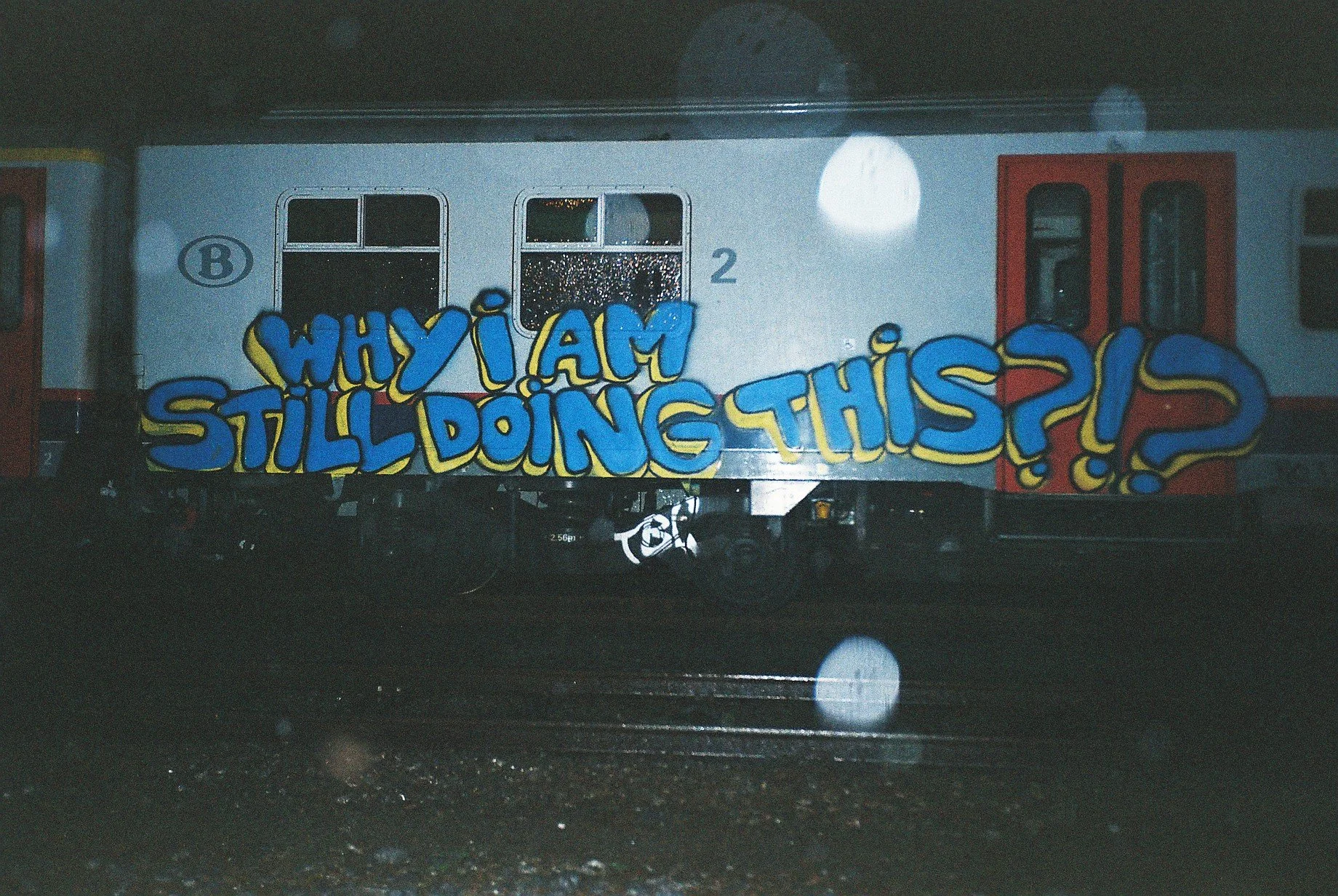
Do not chase the high of fame or the delusion of immortality. The energy you spend on building your reputation or spamming spots should be redirected toward asking: Why am I doing this? What am I trying to achieve?
Graffiti might be structurally narcissistic. It might be an ego Olympics at its core. But your intentions determine whether it becomes a toxic competition or something that builds community, creates lasting bonds, and provides purpose.
The structure doesn't have to define the outcome. Good intentions yield good fruits. That's been true in my life, and I believe it's true for this culture as a whole.
The question isn't whether graffiti is an ego trip. It is. The question is: what will you do with that energy? Will you let it consume you, or will you transform it into something meaningful?
Your name is your face in this game. Make sure what that face represents is something you can stand behind.
The game only changes when the players’ intentions shift from ego to growth.
Thanks for reading. See you in the next episode.
Kind regrets,
Boris